Cockroaches are among the most unwelcome pests in any Melbourne home or business. They’re fast, resilient, unhygienic, and often difficult to eliminate once they’ve established themselves.
But one of the biggest reasons cockroach infestations become so persistent is that many property owners focus only on the adult roaches they can see — while completely missing the real problem: cockroach eggs.
A single cockroach egg case can contain dozens of developing cockroaches, meaning if eggs are left untreated, your pest problem can multiply very quickly.
If you’ve noticed roaches around your property, understanding what cockroach eggs look like and where they hide is one of the most important steps in identifying and controlling an infestation early.
In this guide, we’ll explain:
- What cockroach eggs look like
- Where cockroaches hide their eggs
- How many eggs they lay
- Signs of a hidden infestation
- What to do if you find cockroach eggs
What Do Cockroach Eggs Look Like?
Cockroach eggs are rarely seen as individual eggs.
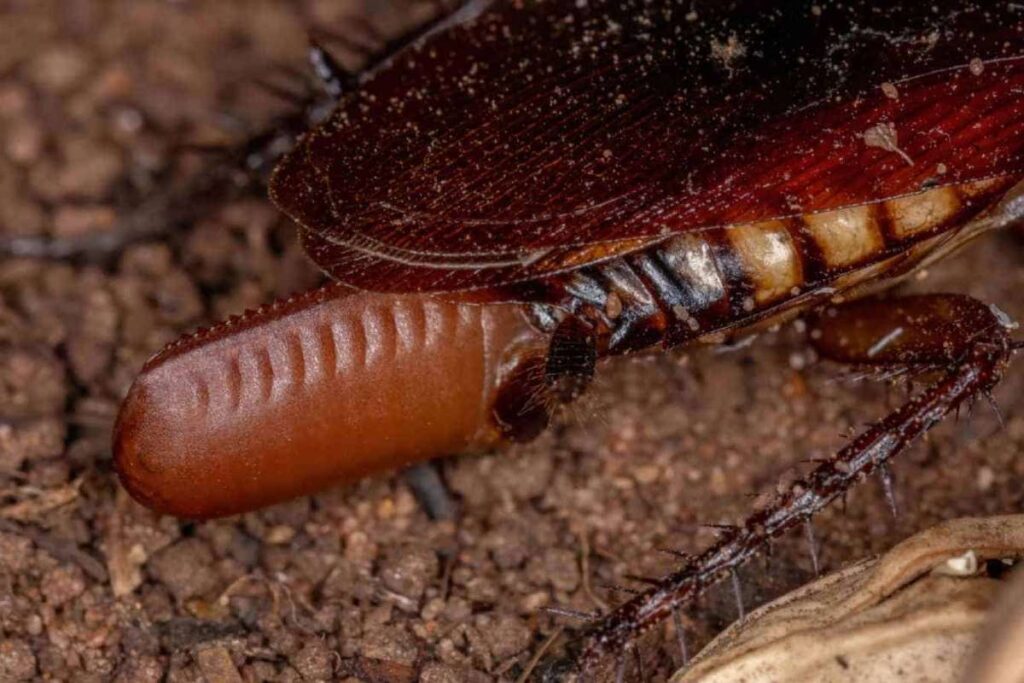
Instead, female cockroaches produce and carry eggs inside a protective capsule called an ootheca.
An ootheca is a small, hardened egg case that protects developing baby cockroaches (called nymphs) until they hatch.
Cockroach egg cases generally look like:
- Small capsule-shaped pods
- Brown, reddish-brown, or dark tan in colour
- Smooth or slightly ridged surface
- Roughly 5–10mm long depending on species
- Bean-like or purse-like appearance
Many people mistake them for:
- Dried food crumbs
- Seed husks
- Small beetle casings
- Dirt or debris
If you’re unfamiliar with cockroach egg cases, it’s easy to overlook them.
What Colour Are Cockroach Eggs?
The colour depends on their age and species.
Freshly laid egg cases are often:
- Light tan
- Creamy brown
As they mature, they usually darken to:
- Brown
- Dark reddish-brown
- Almost black
A darker egg case often indicates the eggs inside are closer to hatching.
How Big Are Cockroach Egg Cases?
Size varies depending on species.
In Melbourne, the most common cockroach species include:
German Cockroach
Egg cases are usually:
- 6–9mm long
- Light to medium brown
These are among the most problematic indoor pests.
American Cockroach
Egg cases are often:
- 8–10mm long
- Dark brown
These are larger and commonly found in commercial settings, basements, and drains.
Australian Cockroach
Egg cases are similar in size to American cockroach cases and are often found in warmer, humid environments.
Smokybrown Cockroach
Typically dark brown to black and often deposited in hidden outdoor areas.
What’s Inside a Cockroach Egg Case?
A single cockroach egg case can contain multiple eggs.
Depending on species, one ootheca may hold:
- German cockroach: 30–40 eggs
- American cockroach: 14–16 eggs
- Australian cockroach: 20–24 eggs
This is why cockroach populations can explode rapidly.
You may see only one or two adult cockroaches, but hidden egg cases could mean dozens more are about to hatch.
Where Do Cockroaches Hide Their Eggs?
Cockroaches are survival experts.
They hide their eggs in warm, dark, sheltered areas where they’ll be protected from disturbance.
Knowing where to look can help you identify an infestation before it gets worse.
1. Kitchen Cupboards and Cabinets
Kitchens are one of the most common egg-laying sites.
Cockroaches are attracted to:
- Food crumbs
- Grease
- Moisture
- Warmth
Common hiding spots include:
- Under sinks
- Behind kickboards
- Inside cabinet corners
- Behind pantry shelving
- Around appliance gaps
German cockroaches particularly love kitchen environments.
2. Behind Appliances
Large appliances create ideal egg-hiding environments.
Check around:
- Refrigerators
- Dishwashers
- Ovens
- Microwaves
- Washing machines
The heat produced by these appliances provides an ideal breeding environment.
3. Bathroom Cabinets and Plumbing Areas
Cockroaches need moisture to survive.
Egg cases are often hidden near:
- Bathroom vanities
- Pipe penetrations
- Laundry areas
- Hot water systems
- Under basins
Leaks or condensation make these areas especially attractive.
4. Cracks and Wall Voids
Cockroaches often deposit eggs deep inside structural gaps.
Look for potential hiding spots such as:
- Skirting board gaps
- Cracks in walls
- Behind loose tiles
- Gaps around electrical outlets
These hidden spaces make DIY detection difficult.
5. Furniture and Upholstery
In severe infestations, cockroaches may hide eggs inside:
- Lounge suites
- Recliners
- Bed frames
- Wooden furniture joints
This is particularly common in neglected or cluttered environments.
6. Cardboard Boxes and Stored Items
Cockroaches love clutter.
Stored cardboard provides:
- Shelter
- Darkness
- Warmth
- Protection
Common problem areas include:
- Garages
- Storage rooms
- Closets
- Under staircases
If boxes have been untouched for long periods, they may harbour egg cases.
7. Roof Voids and Subfloors
In larger infestations, cockroaches may lay eggs in less frequently accessed spaces like:
- Ceiling cavities
- Subfloor areas
- Insulation pockets
These locations often go unchecked for months.
8. Drains and Sewer Entry Points
Some species, particularly American cockroaches, thrive around drains.
Egg cases may be found near:
- Floor drains
- Stormwater access points
- Plumbing voids
- Sewer connections
These areas are common entry pathways into Melbourne properties.
How Long Does It Take for Cockroach Eggs to Hatch?
The hatching time depends on species and environmental conditions.
Typically:
- German cockroach eggs hatch in about 28 days
- American cockroach eggs hatch in 40–60 days
- Warmer temperatures speed up development
Melbourne’s warmer months often accelerate breeding cycles.
This is why infestations can seem to “appear overnight” during spring and summer.
Do Cockroaches Carry Their Eggs?
Some species do.
German Cockroaches
Female German cockroaches carry the egg case attached to their body until just before hatching.
This gives the eggs maximum protection.
It also makes German cockroaches especially difficult to control.
American and Australian Cockroaches
These species usually deposit egg cases in hidden locations soon after laying.
They often glue them to protected surfaces.
Signs You Have Hidden Cockroach Eggs
Even if you haven’t found an egg case directly, certain signs may indicate they’re present.
Sudden Increase in Small Cockroaches
If you’re suddenly seeing tiny roaches, eggs have likely hatched nearby.
Repeated Cockroach Sightings After Treatment
If adult roaches disappear temporarily but reappear weeks later, surviving egg cases may be hatching.
Musty Odour
Large infestations often produce a distinctive oily, musty smell.
Droppings
Cockroach droppings look like:
- Black pepper
- Coffee grounds
- Small dark smears
These often appear near nesting and egg-laying sites.
Shed Skins
As nymphs grow, they shed their outer skins.
Finding these is often a sign of an active breeding population.
What Should You Do If You Find Cockroach Eggs?
If you discover an egg case, don’t ignore it.
Each case could represent dozens of future cockroaches.
Step 1: Remove It Carefully
Wear gloves and avoid crushing it indoors.
Crushing may release developing eggs.
Place it in a sealed plastic bag.
Dispose of it in an outdoor rubbish bin.
Step 2: Inspect Surrounding Areas
Finding one egg case often means there are more nearby.
Search surrounding:
- Cracks
- Corners
- Cupboards
- Appliance gaps
Step 3: Clean Thoroughly
Remove food sources and harbourage by:
- Vacuuming thoroughly
- Wiping grease residues
- Removing clutter
- Sealing food containers
Step 4: Seek Professional Pest Control
Cockroach eggs are often hidden deep within inaccessible spaces.
DIY sprays usually kill visible adults but rarely eliminate hidden egg cases.
Professional treatment targets:
- Adult roaches
- Nymphs
- Hidden breeding sites
- Egg hatch cycles
Why DIY Cockroach Treatments Often Fail
Many over-the-counter sprays provide quick knockdown but limited long-term control.
They often fail because they:
- Don’t reach hidden egg cases
- Repel roaches deeper into walls
- Miss breeding sites
- Don’t interrupt the life cycle
Effective control requires understanding cockroach behaviour and using targeted treatment methods.
How Professional Cockroach Control Works
Professional pest control usually involves a combination of:
Gel Baits
Highly effective for indoor infestations.
Cockroaches carry bait back to nesting sites, affecting others.
Residual Treatments
Applied to key harbourage areas.
Provides ongoing protection.
Dust Treatments
Used in wall voids and inaccessible spaces.
Monitoring and Follow-Up
Because eggs may hatch after initial treatment, follow-up inspections are often necessary.
How to Prevent Cockroaches from Laying Eggs in Your Home
Prevention is always easier than dealing with a full infestation.
Keep Kitchens Clean
Remove crumbs, grease, and food residue.
Fix Moisture Problems
Repair leaking taps and pipes promptly.
Seal Entry Points
Close gaps around:
- Pipes
- Doors
- Windows
- Skirting boards
Reduce Clutter
Especially cardboard storage.
Empty Rubbish Frequently
Cockroaches are strongly attracted to waste.
Arrange Routine Pest Inspections
Professional inspections can identify early activity before breeding becomes widespread.
Final Thoughts
Cockroach eggs are small, well-hidden, and easy to miss — but they’re often the real reason infestations persist.
These capsule-like egg cases can contain dozens of developing cockroaches, allowing populations to grow rapidly if left untreated.
If you’ve spotted suspicious brown pods, recurring cockroach activity, or signs of breeding around your Melbourne property, early action is essential.
At Pest Control Services Melbourne, professional cockroach treatments target not just visible roaches but also hidden breeding sites and egg-laying areas to help eliminate infestations properly and prevent them from returning.
FAQs
1. What do cockroach eggs look like in a house?
They usually appear as small brown capsule-shaped pods with ridges, often hidden in dark areas.
2. Can cockroach eggs survive being squashed?
Some may, depending on maturity. Safe disposal is always recommended.
3. How many cockroaches hatch from one egg?
Depending on species, between 14 and 40 nymphs can hatch from a single egg case.
4. Where are cockroach eggs most commonly found?
Behind appliances, under sinks, inside cupboards, and within wall cracks.
5. Do pest control treatments kill cockroach eggs?
Some treatments target egg hatch cycles, but follow-up treatment is often required for complete elimination.