You wake up with itchy red welts on your arms. You notice tiny rust-coloured spots on your sheets. Something doesn’t feel right — but you’re not sure what it is. If this sounds familiar, you may be dealing with one of the most unwelcome houseguests in Melbourne: bed bugs.
Bed bugs are small, elusive, and incredibly good at hiding. Many Melbourne homeowners don’t realise they have an infestation until it has already spread. The good news is that knowing what to look for puts you well ahead of the problem. This guide walks you through everything — from early warning signs to exactly what to do if you suspect an infestation.
What Are Bed Bugs?
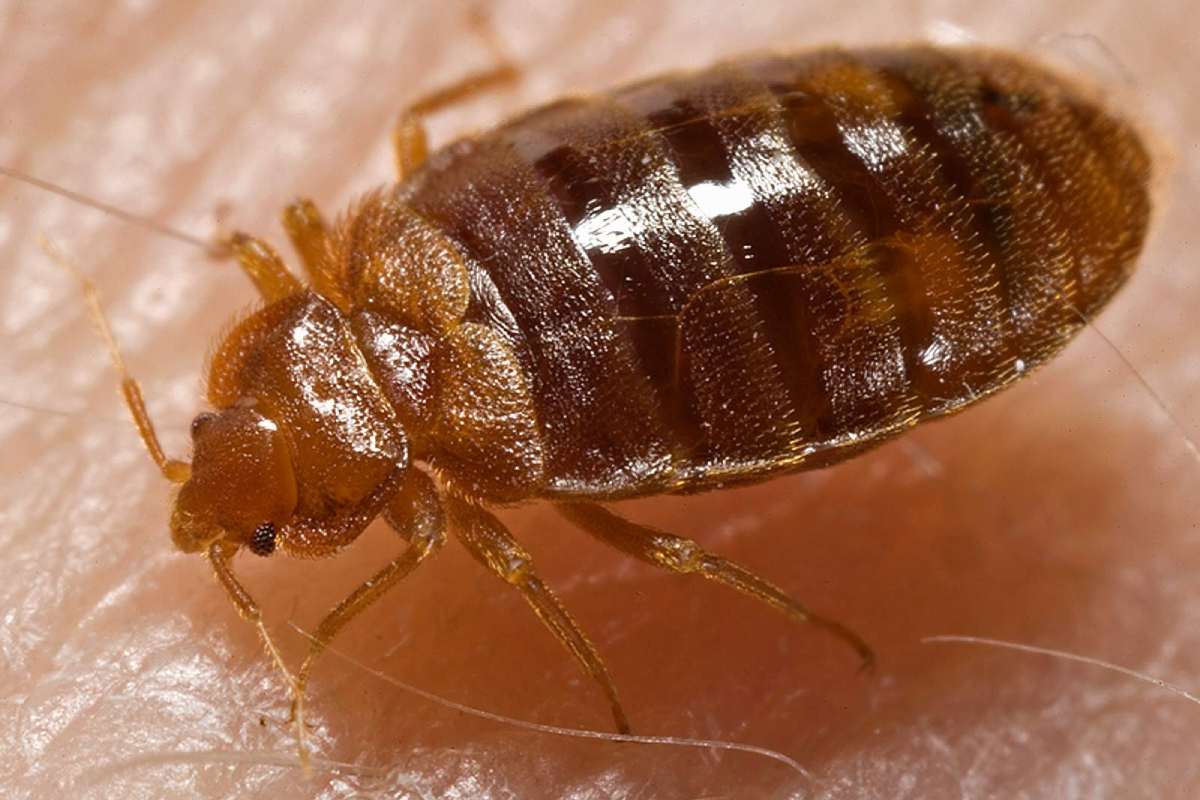
Bed bugs (Cimex lectularius) are tiny, oval-shaped insects about the size of an apple seed. They are reddish-brown in colour, flat when unfed, and swell after feeding on blood. They don’t fly or jump — they crawl, and they’re fast.
Despite their name, bed bugs don’t only live in beds. They can be found in couches, curtains, luggage, behind electrical outlets, inside furniture joints, and even in picture frames. Anywhere dark and close to a human host is fair game.
They are most active at night, which is why many people don’t notice them until the infestation grows.
How Do Bed Bugs Get Into Melbourne Homes?
Before diving into the checklist, it helps to understand how they get in. Bed bugs are expert hitchhikers. Common entry points include:
- Second-hand furniture — mattresses, sofas, and bed frames are the most common carriers
- Hotels and Airbnbs — they attach to luggage, clothing, and bags during travel
- Public transport — Melbourne’s trams and trains are not immune
- Shared laundry facilities — communal laundries in apartment buildings can spread infestations
- Visitors — guests unknowingly carrying them from their own home
Melbourne’s density of apartments and rental properties, combined with frequent domestic and international travel, makes it a city where bed bug cases are more common than many people realise.
The Bed Bug Checklist: 10 Signs to Look For
Use this checklist to inspect your home methodically. Start with the bedroom, then expand to other sleeping and resting areas.
1. Unexplained Bites on Your Body
The most common first sign. Bed bug bites typically appear as small, red, itchy welts — often in a line or cluster pattern, because bed bugs tend to bite multiple times in a row. They most commonly appear on arms, shoulders, neck, and legs — areas exposed while you sleep.
However, bites alone are not a definitive diagnosis. Some people don’t react to bed bug bites at all, while others can mistake them for mosquito or flea bites. Always check for physical evidence alongside any bites.
2. Blood Stains on Your Sheets or Pillowcase
Small rust-coloured or reddish-brown spots on your bedding are a significant warning sign. These stains happen when a bed bug is accidentally crushed after feeding, or when a recently fed bug leaves a small blood smear as you roll over in your sleep.
Check both the top sheets and the fitted sheet around the corners and edges, where bugs tend to gather.
3. Dark Spots or Streaks on Mattress Seams
Bed bug excrement looks like tiny dark dots — about the size of a pen tip — and often smears if wiped with a damp cloth. You’ll most commonly find these along the seams, tufts, and edges of your mattress, as well as on the bed frame and headboard.
This is one of the most reliable physical signs of an infestation.
4. A Musty, Sweet Odour
A significant bed bug infestation produces a distinctive smell — often described as musty, sweet, or similar to coriander or almonds. This scent comes from the pheromones bed bugs release. If you notice an unusual smell in your bedroom that wasn’t there before, take it seriously.
5. Shed Skins (Exoskeletons)
As bed bugs grow, they shed their outer shell (exoskeleton) five times before reaching adulthood. These translucent, hollow shells are one of the clearest physical signs of an active infestation. Look for them along mattress seams, in the joints of bed frames, and in crevices near sleeping areas.
6. Live Bugs in the Seams or Folds
If the infestation is moderate to severe, you may actually see live bed bugs. They are small — roughly 4–5mm long — flat, and oval. Use a torch and inspect the mattress seams, box spring, bed frame joints, and the tufted folds of upholstered furniture. Adults are reddish-brown; younger bugs (nymphs) are nearly translucent.
7. Eggs or Eggshells
Bed bug eggs are tiny — about 1mm long — white, and oval-shaped. They are often found in clusters in dark, sheltered spots like mattress seams or behind headboards. Empty eggshells are just as significant as intact ones, as they confirm breeding activity.
8. Signs Behind Furniture and Along Walls
Don’t limit your search to the bed. Bed bugs will travel up to three metres from a host. Check behind picture frames, inside bedside table drawers, under loose wallpaper, along the edge of carpet near the bed, and behind light switches and power sockets.
9. Signs on Other Furniture
Sofas, recliners, and armchairs where people regularly sleep or rest are prime locations. Inspect the seams, underneath cushions, and the wooden or metal underside. Curtain folds near sleeping areas are also worth checking.
10. Reactions Getting Worse Over Time
If you’re waking up with more bites over successive nights, it strongly suggests a growing, active infestation. Bed bugs reproduce quickly — a single fertilised female can lay up to 200 eggs in her lifetime. The longer an infestation goes untreated, the harder and more costly it becomes to resolve.
What to Do If You Suspect Bed Bugs
Discovering evidence of bed bugs is alarming, but acting quickly and calmly gives you the best outcome. Here’s what to do:
Step 1: Don’t Panic — And Don’t Throw Everything Out
The instinct to immediately dump your mattress on the kerb is understandable, but it’s often unnecessary and can actually spread the infestation to other parts of your home or building. Bed bugs are treatable, even on mattresses, with professional intervention.
Step 2: Contain the Area
Avoid moving items from the affected room to other parts of your home. This prevents accidentally carrying bugs or eggs into unaffected areas.
Step 3: Wash and Heat-Dry All Bedding
Strip all bedding — sheets, pillowcases, duvet covers, mattress protectors — and wash them on the hottest setting available. Follow immediately with a full cycle in the dryer on high heat. Bed bugs and their eggs cannot survive sustained temperatures above 50°C. Place washed items in sealed plastic bags until the infestation is resolved.
Step 4: Vacuum Thoroughly
Vacuum the mattress, box spring, bed frame, and surrounding areas carefully. Use a crevice attachment along all seams and joints. Once done, immediately seal and dispose of the vacuum bag outside your home. If your vacuum uses a canister, empty and clean it thoroughly.
Step 5: Document What You’ve Found
Take clear photos of any evidence — stains, shed skins, live bugs, bites. This helps a pest control professional assess the severity of the infestation and plan the most appropriate treatment.
Step 6: Call a Professional Pest Control Service
This is the most important step. DIY treatments — sprays, powders, and home remedies — rarely eliminate a bed bug infestation fully. Bed bugs are notoriously resilient, and eggs can survive many over-the-counter treatments. A professional technician will use a combination of targeted insecticide treatments, heat treatments, and follow-up inspections to ensure the infestation is fully eliminated.
Why Professional Treatment Is Essential
Attempting to handle a bed bug infestation alone often leads to incomplete treatment, causing the population to rebound — sometimes worse than before. Professional pest control services use products and methods not available to consumers, and they have the training to locate all harbourage sites, including those that are easy to miss.
In Melbourne specifically, apartment and townhouse living means infestations can spread between units if not properly treated. Professional treatment isn’t just about your property — it’s about protecting your neighbours too.
Preventing Future Infestations
Once treated, the following habits will significantly reduce your risk:
- Inspect second-hand furniture thoroughly before bringing it inside
- Use a luggage rack when staying in hotels and inspect your bags before returning home
- Encase your mattress and box spring in purpose-made bed bug-proof covers
- Reduce clutter in and around sleeping areas to limit hiding spots
- Act immediately if you suspect a new infestation — early treatment is far simpler and less expensive
Final Word
Bed bugs are not a sign of poor hygiene or a dirty home. They can appear in any Melbourne property — from a budget sharehouse to a luxury apartment. What matters is catching the signs early and responding decisively.
If your inspection has turned up any of the signs on this checklist, contact a professional pest control service as soon as possible. The sooner treatment begins, the easier and more effective it will be.
Pest Control Services Melbourne is available for same-day inspections and fast, effective bed bug treatments across Melbourne and surrounding suburbs. Contact us today to book your assessment.