Most Melbourne homeowners have had the occasional spider in the corner or ant trail near the kitchen bench. At what point does a minor nuisance become a problem that needs professional attention? That’s a question many people get wrong — either dismissing early signs until the situation becomes serious, or worrying unnecessarily about something that doesn’t require treatment.
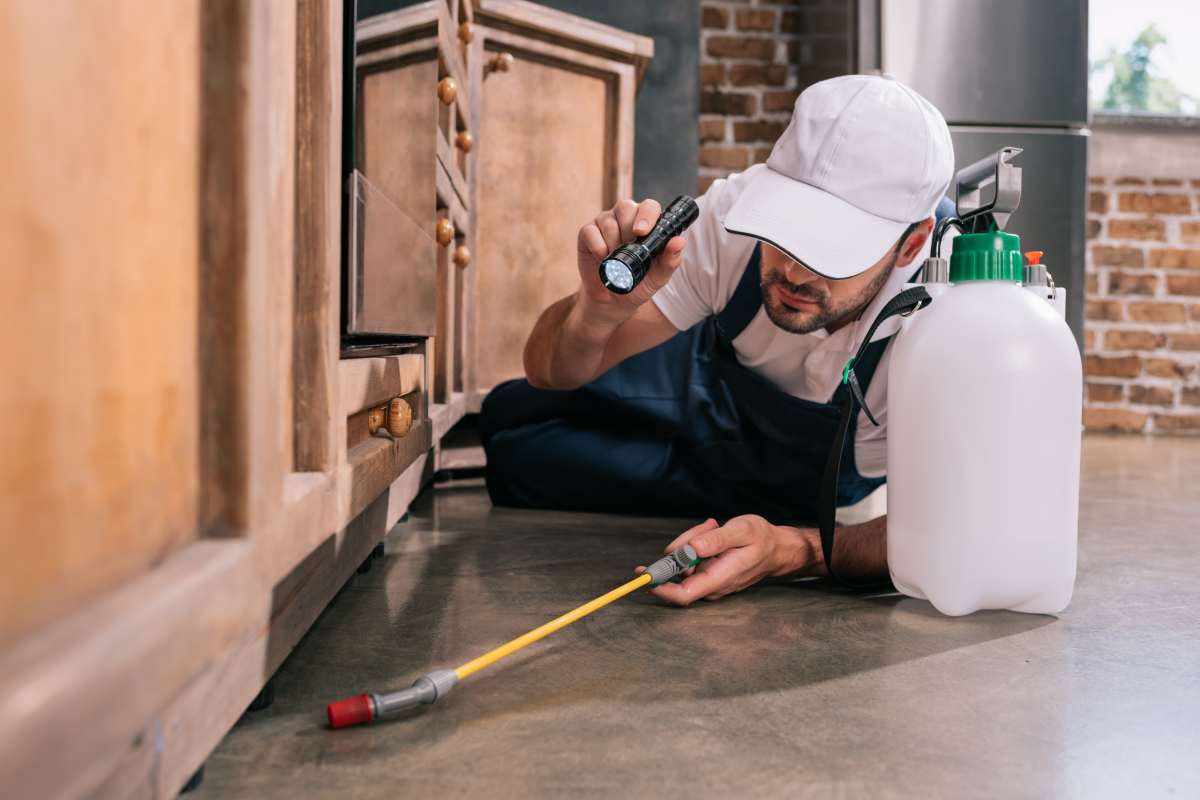
This guide takes the guesswork out of it. Below are ten clear signs that your home needs professional pest control — not a can of spray from the hardware store, but a trained technician with the right tools and treatments to solve the problem properly.
Why Acting Early Matters
Before the list, it’s worth understanding why timing is everything with pest infestations.
Most pest populations don’t stay stable — they grow, often rapidly. A small colony of cockroaches can multiply into a full infestation within weeks. A pair of rodents can produce dozens of offspring in a matter of months. Termites can cause tens of thousands of dollars of structural damage before the first visible sign appears above ground.
Early professional intervention is almost always faster, less disruptive, and significantly cheaper than waiting until the problem is severe.
1. You’re Seeing Pests During the Day
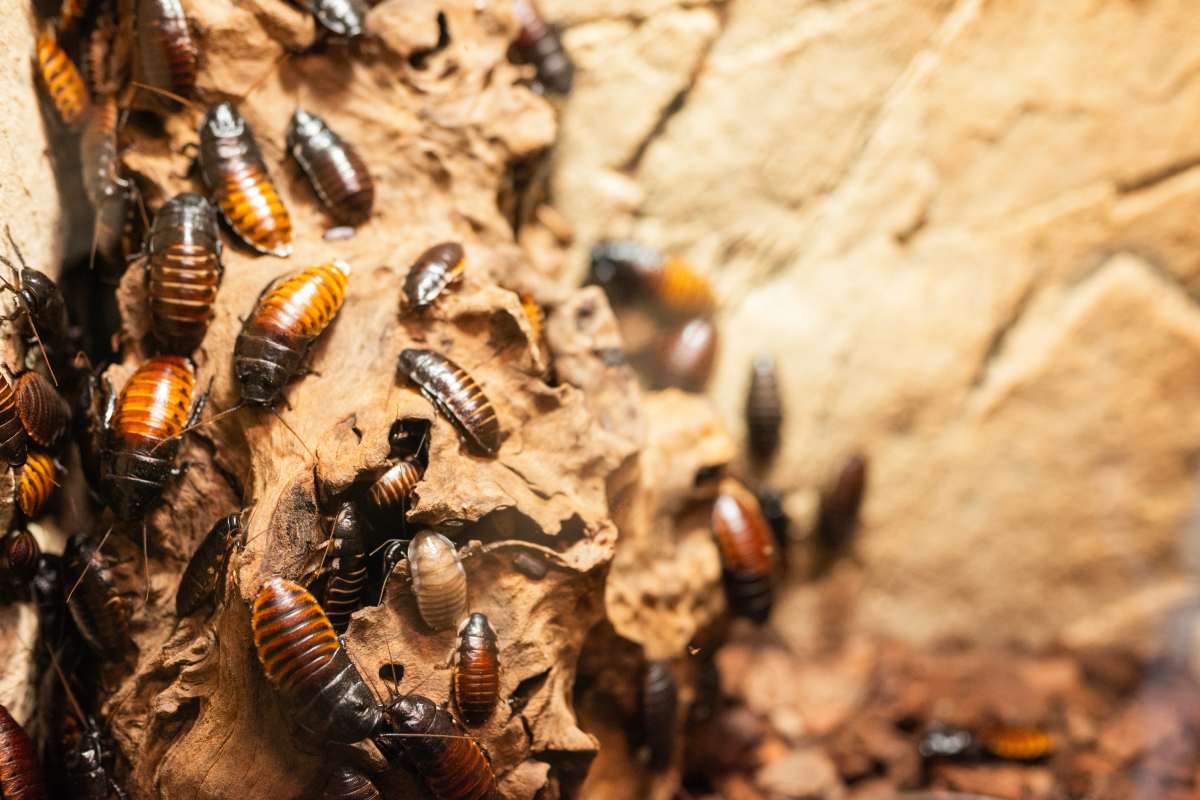
Most household pests — cockroaches, rodents, and many others — are nocturnal. They prefer to move and feed in darkness. If you’re seeing them during daylight hours, it is typically a sign that the population has grown large enough that competition for resources is pushing individuals out into the open.
Seeing a cockroach scurry across your kitchen bench at noon, or a mouse dart across the floor in the afternoon, should be treated as a serious warning sign rather than a one-off event.
2. You’ve Found Droppings — More Than Once
Finding a single dropping might be dismissed. Finding them repeatedly, in multiple locations, tells a different story.
Rodent droppings look like small dark pellets and are commonly found along wall edges, inside cupboards, under sinks, and in roof cavities. Cockroach droppings resemble black pepper or coffee grounds and often appear near food storage areas, behind appliances, and in corners.
The number of droppings and the range of locations where they appear give a pest technician valuable information about population size and movement patterns. Don’t clean them up before your inspection — they are evidence.
3. You Can Hear Activity in Your Walls or Roof
Scratching, scurrying, gnawing, or rustling sounds in your walls, ceiling, or roof cavity — particularly at night — are almost always caused by rodents or possums. In Melbourne’s older suburbs, roof rats and common house mice are frequently found nesting in ceiling cavities.
The distinction between rodents and possums matters because possums are protected under Victorian wildlife law and cannot be killed — they must be humanely trapped and relocated. A professional pest controller can identify which animal is responsible and advise on the appropriate response.
Ignoring these sounds doesn’t make the problem go away. Rodents gnaw constantly — including on electrical wiring — which creates a genuine fire risk in addition to the health concerns.
4. You’ve Spotted Damage to Wood or Structures
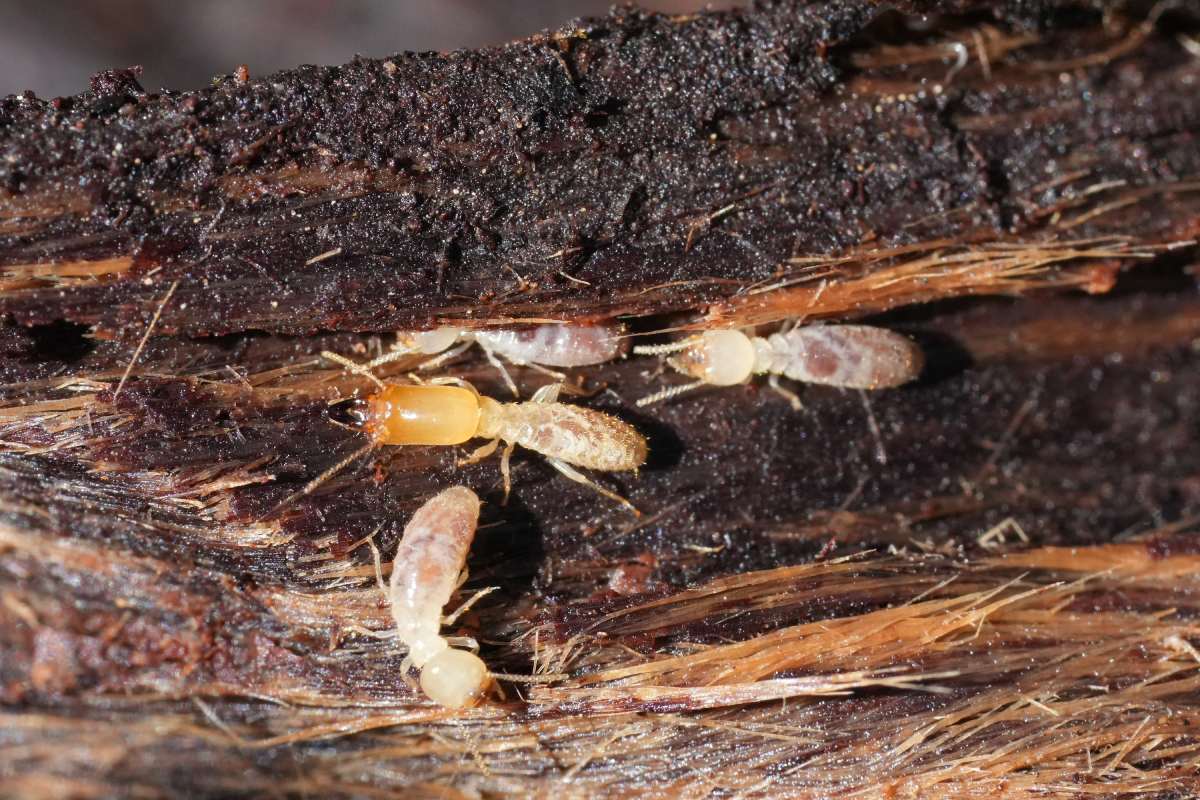
Wood damage that appears hollow, blistered, or darkened — particularly in areas close to the ground, around windows and door frames, in decking, or in roof timbers — may indicate termite activity.
Termites are among the most financially devastating pests affecting Melbourne homes. Because they work from the inside out, structural damage is often well advanced by the time it becomes visible. Other signs include mud tubes along foundations or walls, discarded wings near windows and doors (a sign of swarming season), and wood that sounds hollow when tapped.
If you notice any of these signs, do not disturb the area. Call a professional immediately. Disturbing a termite colony without proper treatment causes them to disperse deeper into the structure, making elimination harder.
5. Your DIY Treatments Have Stopped Working
If you’ve been managing a pest problem with over-the-counter sprays, baits, or traps and find you’re needing to apply them more frequently — or they’re simply not working anymore — it’s a clear sign the infestation is beyond what consumer-grade products can address.
This is particularly common with cockroaches, which can develop resistance to certain insecticides over time. It also happens with ant infestations where surface treatment kills foragers but never reaches the colony itself. A pest professional has access to commercial-grade treatments and the knowledge to target infestations at their source rather than just the symptoms.
6. You’ve Found Damaged or Gnawed Food Packaging
Finding chewed holes in cereal boxes, bags of rice, pet food packaging, or any other stored food is a direct sign of rodent activity. Mice and rats have strong, ever-growing teeth that allow them to chew through plastic, cardboard, and even soft metals.
Beyond the obvious food waste, this is a serious health risk. Rodents contaminate food with droppings, urine, and the bacteria they carry — including Salmonella and Leptospira. Any food that may have been in contact with rodents should be discarded immediately, and professional treatment arranged as soon as possible.
7. You’ve Noticed Unexplained Damage to Fabric, Paper, or Insulation
Silverfish, carpet beetles, and clothes moths cause damage that many homeowners initially misattribute to age or wear. If you’re finding irregular holes in clothing (particularly wool and natural fibres), damage to books or stored papers, or patches in carpet that look eaten or degraded, pest activity is a likely cause.
In roof cavities, rodents commonly shred insulation, paper, and soft materials for nesting. If your insulation appears disturbed or degraded, it’s worth having a pest inspection to rule out an active nest.
8. You’ve Spotted a Nest or Colony
Discovering a nest — whether it’s a wasp nest under the eaves, an ant colony in the garden near your foundations, a spider’s egg sac, or a suspected rodent nest — warrants professional attention.
In particular, wasp and bee nests should never be approached without professional protective equipment and expertise. European wasps, which are common in Melbourne, are highly aggressive when their nest is threatened and can sting repeatedly. A professional can safely remove or relocate nests without putting your family at risk.
9. Family Members Are Experiencing Unexplained Allergic Reactions or Bites
Waking up with itchy welts, experiencing respiratory symptoms that improve when you’re away from home, or noticing skin reactions that your GP can’t clearly attribute to a cause — these can all be linked to pest activity.
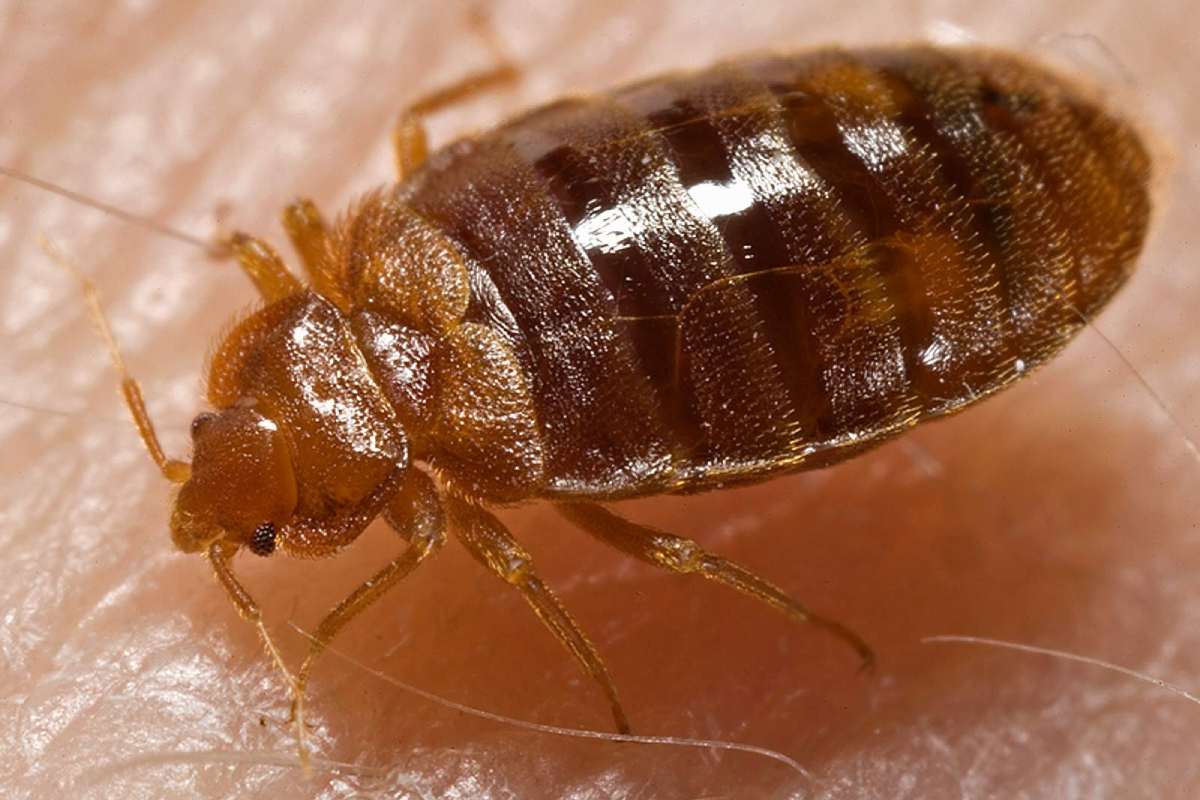
Bed bugs cause bites that appear as clusters of red, itchy welts on exposed skin during sleep. Cockroach droppings and shed skin particles are a known trigger for asthma and allergic rhinitis, particularly in children. Dust mite populations can also worsen respiratory symptoms.
If household members — especially children — are experiencing unexplained health symptoms that improve when they spend time elsewhere, a pest inspection is a sensible step.
10. You’ve Recently Moved Into a New Property or Had Renovation Work
Two situations dramatically increase the risk of pest introduction that many homeowners overlook.
Moving into a new property — whether buying or renting — means inheriting whatever pest history the property has. Previous occupants may have had infestations that were never properly treated. A professional pre-occupancy inspection gives you a clear picture of what you’re dealing with before you settle in.
Renovation and building work can disturb pest harbourage areas that had previously been undisturbed. Termite colonies, in particular, can be inadvertently disturbed by earthworks, demolition, or excavation. Renovation also introduces new materials and voids that pests can exploit as nesting sites. Having an inspection completed before and after significant building work is considered best practice.
What a Professional Pest Inspection Involves
A thorough inspection covers the interior of the home room by room, the roof cavity, subfloor (where accessible), perimeter of the property, garden areas, and any outbuildings. The technician will look for evidence of current activity, potential entry points, environmental conditions that attract pests, and any structural vulnerabilities.
Following the inspection, you’ll receive a clear report of findings and a recommended treatment plan. Good pest control isn’t just about eliminating what’s currently present — it’s about identifying why pests are present and what can be done to prevent recurrence.
How Often Should Melbourne Homes Be Inspected?
Even without obvious signs of infestation, Melbourne homes benefit from a professional pest inspection every 12 months. Given the city’s climate — warm summers, mild winters, and the humidity that comes with coastal proximity — pest activity is essentially year-round.
Termite inspections specifically are recommended annually by the Australian Standard AS 3660, and more frequently for high-risk properties or those with a history of termite activity.
Regular inspections catch problems early, when they are simpler and less expensive to resolve.
Don’t Wait for the Problem to Get Worse
The ten signs in this guide represent points at which professional intervention is clearly warranted. But the most important takeaway is this: if something doesn’t feel right, trust your instincts and get it checked. A professional inspection is typically straightforward and provides the peace of mind of knowing exactly what you’re dealing with — and what to do about it.
Pest Control Services Melbourne offers comprehensive pest inspections and tailored treatment plans for homes and businesses across Melbourne. Our experienced technicians are available for same-day bookings, and our treatments are safe for families and pets. Contact us today to arrange your inspection.