If you’ve ever spotted tiny pale insects near timber, skirting boards, or garden sleepers around your Melbourne property, your first thought might be: “Are these termites or white ants?”
It’s one of the most common questions Melbourne homeowners ask pest control professionals, and the short answer is simple:
Yes — termites and white ants are the same thing.
“White ants” is simply the common Australian nickname for termites because of their pale colour and ant-like appearance. However, despite the nickname, termites are not ants at all. In fact, according to Victorian pest authorities, the term “white ant” is technically incorrect because termites belong to an entirely different insect group.
Understanding the difference between termites and actual ants is critical for Melbourne homeowners because termites can cause severe structural damage long before you even notice their presence.
In this guide, we’ll explain:
- Whether termites and white ants are the same
- How to tell termites apart from ants
- Common signs of termite activity in Melbourne homes
- Why Melbourne properties are vulnerable
- What to do if you find them
Are Termites and White Ants Actually the Same Thing?
Yes.
When Australians say “white ants,” they are almost always referring to termites.
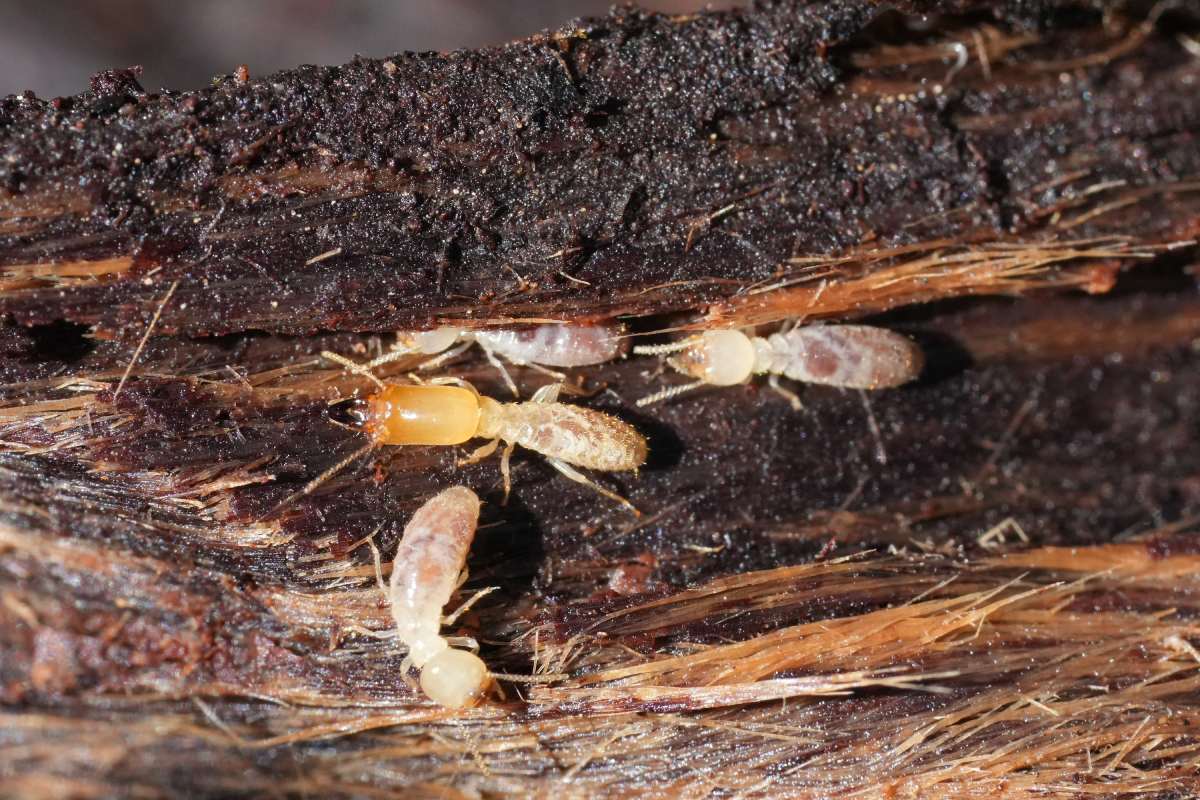
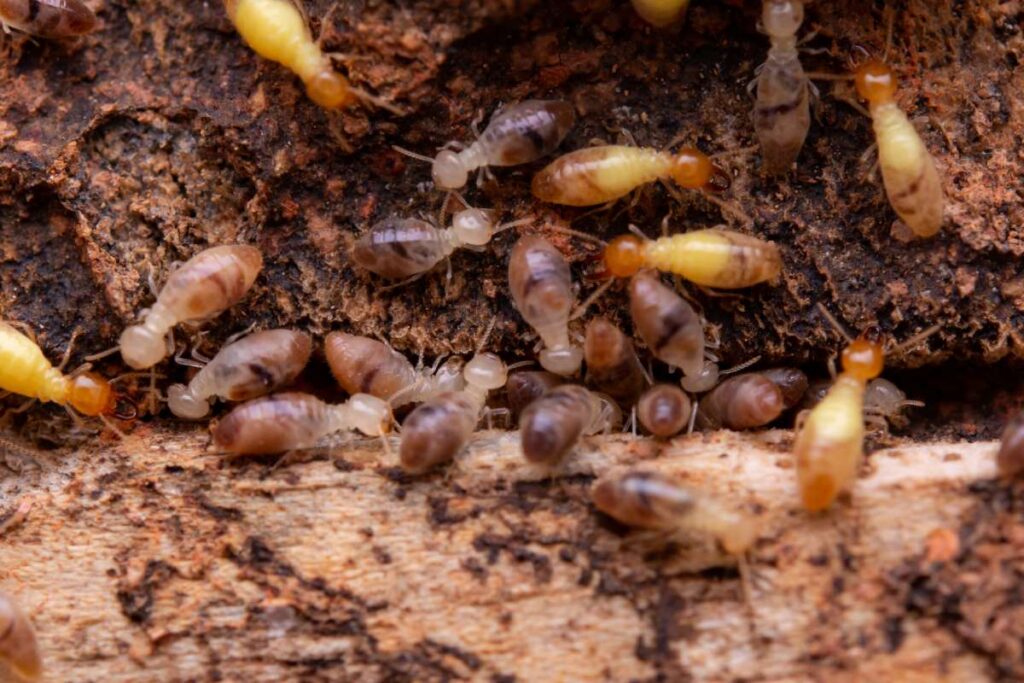
The confusion exists because worker termites are usually:
- Creamy white
- Small in size
- Social insects that live in colonies
- Often found moving in groups
At first glance, they resemble pale ants.
But scientifically, termites are completely different.
Real ants belong to the insect order Hymenoptera, which includes bees and wasps.
Termites belong to Blattodea, the same broader group as cockroaches. Modern classification has confirmed termites are evolutionarily much closer to cockroaches than ants.
So while “white ants” is common Australian slang, if a pest inspector tells you there are termites on your Melbourne property, they’re talking about the same destructive pest.
Why Do Melbourne Residents Still Call Them White Ants?
The term has been used in Australia for generations.
Historically, homeowners noticed these pale insects in timber and assumed they were simply a white-coloured species of ant.
The name stuck.
Even today, many Melbourne property owners will call pest control companies asking for:
- White ant inspections
- White ant treatment
- White ant removal
Professionals understand what they mean, but accurate identification matters because termite treatment is completely different from ant control.
Spraying a general household ant insecticide at termites can actually make the problem worse by disturbing the colony and causing it to relocate deeper into your structure.
How to Identify Termites vs Real Ants
If you spot suspicious insects around your Melbourne home, there are several physical differences that can help you identify whether you’re dealing with termites or actual ants.
1. Body Shape
Termites
Termites have a broad, straight waist.
Their bodies appear almost tube-shaped from head to tail.
Ants
Ants have a clearly defined pinched waist, giving them their segmented appearance.
Quick test:
If the insect looks narrow in the middle, it’s likely an ant.
If it looks straight-bodied, it could be a termite.
2. Antennae
Termites
Straight antennae
Ants
Bent or elbowed antennae
This is one of the easiest distinguishing features when viewed closely.
3. Wings
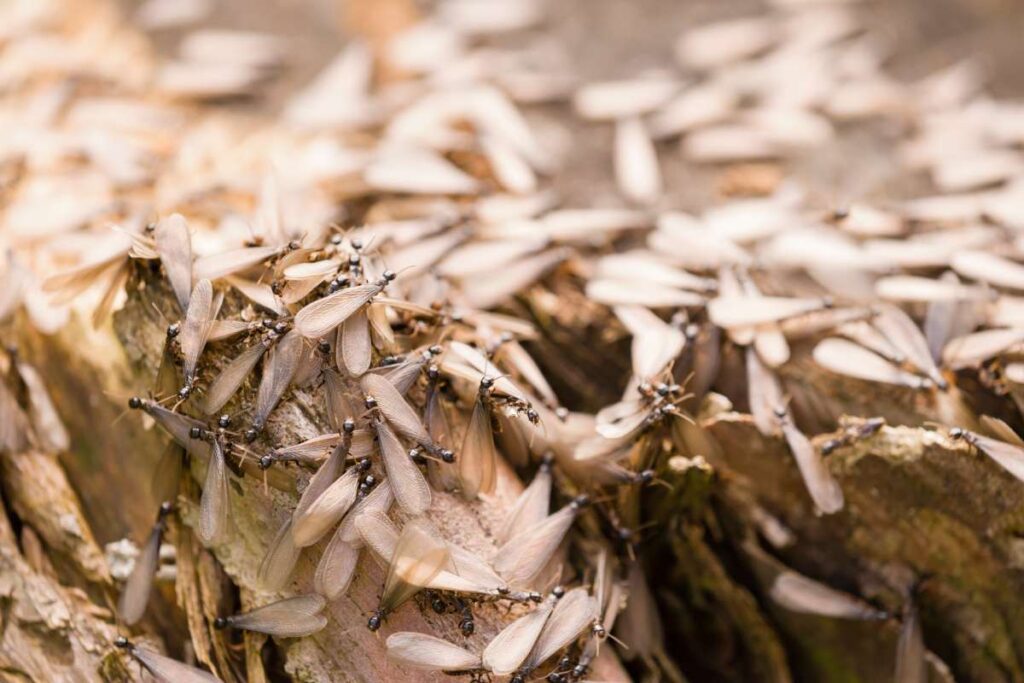
During swarming season, reproductive termites often emerge with wings.
Flying Termites
- Two pairs of equal-sized wings
- Wings are longer than the body
- Wings appear translucent
Flying Ants
- Front wings larger than back wings
- More clearly segmented body
- Elbowed antennae
If you find discarded equal-sized wings around windowsills, doors, or light fittings, termites may be present.
4. Colour
Termites
Usually:
- Cream
- White
- Pale brown
- Translucent
Ants
Usually:
- Black
- Brown
- Red
- Dark brown
Although colour helps, it’s not enough for accurate identification.
5. Behaviour
Termites
Termites avoid light and open air.
They stay hidden inside:
- Timber
- Wall cavities
- Mud tubes
- Soil tunnels
Ants
Ants are highly visible and often forage openly across:
- Benchtops
- Walls
- Paths
- Gardens
If insects are openly marching across your kitchen, they’re likely ants.
If they’re hidden inside damaged timber or mud tunnels, termites are more likely.
Common Signs of Termites in Melbourne Homes
Because termites are stealth pests, you often won’t see the insects themselves.
Instead, you’ll notice evidence of their activity.
Hollow-Sounding Timber
Tap on:
- Door frames
- Window frames
- Skirting boards
- Timber flooring
If it sounds hollow, termites may have eaten the internal structure.
Mud Tubes
Subterranean termites build mud tubes to travel safely between soil and timber.
These may appear:
- Along brick walls
- On stumps
- Near foundations
- Under flooring
These pencil-width tubes are one of the strongest indicators of termite activity.
Bubbling or Warped Paint
As termites consume timber beneath surfaces, moisture can build up, causing paint to bubble.
It often resembles minor water damage.
Tight Doors and Windows
Termite activity can distort timber frames, making doors and windows difficult to open.
Discarded Wings
After swarming, reproductive termites shed their wings.
You may find piles near:
- Windows
- Door frames
- Outdoor lights
Clicking Sounds in Walls
In quiet conditions, soldier termites can create faint clicking noises by tapping their heads when disturbed.
Why Melbourne Homes Are at Risk
Many homeowners wrongly assume termites are only a Queensland or northern Australia problem.
In reality, termites are a significant issue across Victoria.
Victorian environmental health guidance notes that several termite species can damage buildings throughout the state.
Melbourne properties can be vulnerable due to:
Older Timber-Framed Homes
Many established Melbourne suburbs have older homes with extensive timber construction.
This provides an ideal food source.
Moisture Issues
Termites thrive in damp environments.
Common moisture problems include:
- Leaking gutters
- Poor drainage
- Blocked downpipes
- Under-house dampness
- Plumbing leaks
Garden Beds Against Structures
Mulch and soil placed against walls create concealed entry points.
Tree Stumps and Landscaping Timber
Decaying wood near the home can attract termites before they move into structural timber.
Slab Cracks
Even tiny cracks can allow subterranean termites to enter.
Some termite species can exploit gaps smaller than 1mm.
The Most Common Termite Species in Melbourne
Several species occur in Victoria, but some are particularly destructive.
Coptotermes
Among Australia’s most destructive termite groups.
They can cause rapid structural damage.
Schedorhinotermes
Commonly attack decaying timber but may spread into homes.
Nasutitermes
Less common in southern regions but still present in some environments.
Professional identification is essential because treatment strategies vary by species.
What Happens If You Mistake Termites for Ants?
This is where many Melbourne homeowners get caught out.
A small pale insect sighting is often dismissed as harmless ants.
Unfortunately, this delay can be costly.
Termites work continuously, often 24 hours a day, and significant internal timber damage can occur before visible symptoms appear.
By the time obvious signs emerge, repairs can become expensive.
Misidentification may lead homeowners to:
- Use supermarket ant sprays
- Ignore warning signs
- Delay inspections
- Disturb active colonies
Disturbing termites can push them deeper into inaccessible parts of the structure, making treatment more difficult.
What To Do If You Find Suspected White Ants (Termites)
If you suspect termites, avoid the temptation to investigate too aggressively.
Do NOT:
- Spray them
- Pull apart damaged timber
- Break mud tubes
- Disturb the area
This can scatter the colony.
Do:
1. Take Photos
Clear close-up photos can help with preliminary identification.
2. Limit Disturbance
Leave the area untouched.
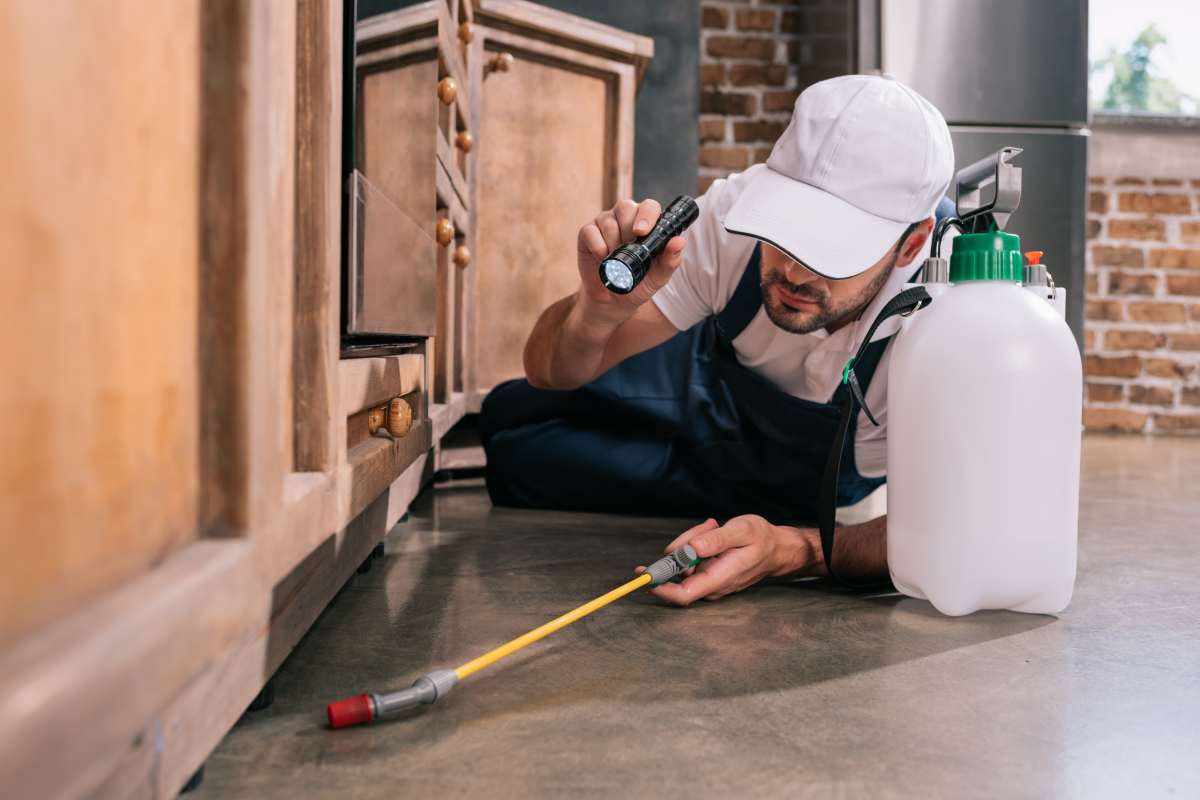
3. Arrange a Professional Inspection
A licensed termite inspection can identify:
- Whether they are termites
- The species involved
- Extent of activity
- Entry points
- Damage level
4. Follow Treatment Recommendations
Depending on the infestation, treatment may involve:
- Baiting systems
- Chemical barriers
- Dust treatments
- Moisture correction
- Ongoing monitoring
How Often Should Melbourne Homes Be Inspected?
For Melbourne properties, annual termite inspections are strongly recommended.
Higher-risk homes may require inspections every 6–12 months, especially if they have:
- Previous termite history
- Nearby bushland
- High moisture
- Timber landscaping
- Subfloor ventilation issues
Prevention is always cheaper than structural repairs.
How To Reduce Termite Risk Around Your Melbourne Property
Practical prevention steps include:
Reduce Moisture
Fix:
- Leaks
- Overflowing gutters
- Drainage issues
Keep Timber Off Soil
Store firewood and timber well away from structures.
Remove Dead Tree Stumps
Old stumps can harbour termite colonies.
Avoid Mulch Against Walls
Keep a visible inspection zone around foundations.
Schedule Regular Inspections
Professional monitoring catches activity early.
Final Thoughts
So, are termites and white ants the same thing?
Yes.
“White ants” is simply the Australian nickname for termites.
They are not true ants, and confusing them with harmless household ants can delay action when your property may already be at risk.
For Melbourne homeowners, early identification is critical.
If you notice suspicious signs like mud tubes, hollow timber, discarded wings, or pale insects near wooden structures, it’s worth arranging a professional termite inspection before minor signs become major structural damage.
At Pest Control Services Melbourne, professional termite inspections and targeted treatments help Melbourne homeowners identify termite activity early and protect their properties from costly long-term damage.
FAQs
1. Are white ants more dangerous than termites?
No. White ants and termites are the same insect.
2. Can termites bite humans?
Termites rarely bite people and are not considered a direct health threat, but they can cause serious structural damage.
3. Do all pale ants in Melbourne mean termites?
No. Some pale insects may be ants or other species. Proper identification is essential.
4. What time of year are termites most active in Melbourne?
They’re active year-round but often swarm during warmer, humid periods.
5. Can I treat termites myself?
DIY treatment is rarely effective. Professional termite management is strongly recommended for complete colony control.